Sample packet — fictional property
This is what you get for $99
A real packet covers 12 guided photos. This sample shows 4, with made-up findings for a fictional cabin.
Wildfire Ready Utah · Documentation Packet
Sample Cabin · Duck Creek Village, UT (fictional property)
Prepared for Sample Owner · Kane County
Photos submitted Oct 14, 2026, 4:20 PMIssued Oct 16, 2026, 7:05 PMState high-risk map: In zone
Summary
A well-kept A-frame cabin with a metal roof, surrounded by mature pine and aspen. The biggest risk is in the first 5 feet: wood mulch, a firewood stack and pine needles against the deck. Clearing that zone and screening the vents would move this property well into good shape — most of it is weekend work.
Scores by zone
The house · Roof, vents, gutters, deck
70
0–5 ft · The ember zone
45
5–30 ft · Lean, clean zone
55
30–100 ft · Reduced-fuel zone
62
How to read this
Scores combine your questionnaire answers with what's visible in your photos. 75+ is good shape, 50–74 has room to improve, under 50 needs attention. Higher is better.
Your top fixes
- 1
Move the firewood stack at least 30 feet from the cabin
Stacked wood against the walls is one of the most common reasons homes ignite from embers.
High impact$ · DIY0–5 ft
- 2
Replace wood mulch next to the cabin with gravel
The first 5 feet should have nothing that can burn.
High impact$$ · ~$300–$8000–5 ft
- 3
Clear pine needles from the roof valleys, gutters and under the deck
Dry needles are an easy landing spot for embers. Recheck every spring and fall.
High impact$ · DIYThe house
- 4
Fit 1/8-inch metal mesh on attic and crawl-space vents
Embers blown into vents are a leading way homes catch fire from the inside.
High impact$$ · ~$15–$40 per vent installedThe house
- 5
Limb up pines within 30 feet to about 8 feet off the ground
Keeps a ground fire from climbing into the trees next to the cabin.
Medium impact$$ · crew, ~half day5–30 ft
- 6
Thin small trees and remove dead fall between 30 and 100 feet
Slows a fire down and keeps it on the ground before it reaches the cabin.
Medium impact$$$ · crew, 1–2 days30–100 ft
Photo record
Each photo is stamped with the time it was submitted. Notes describe only what is visible in the photo.
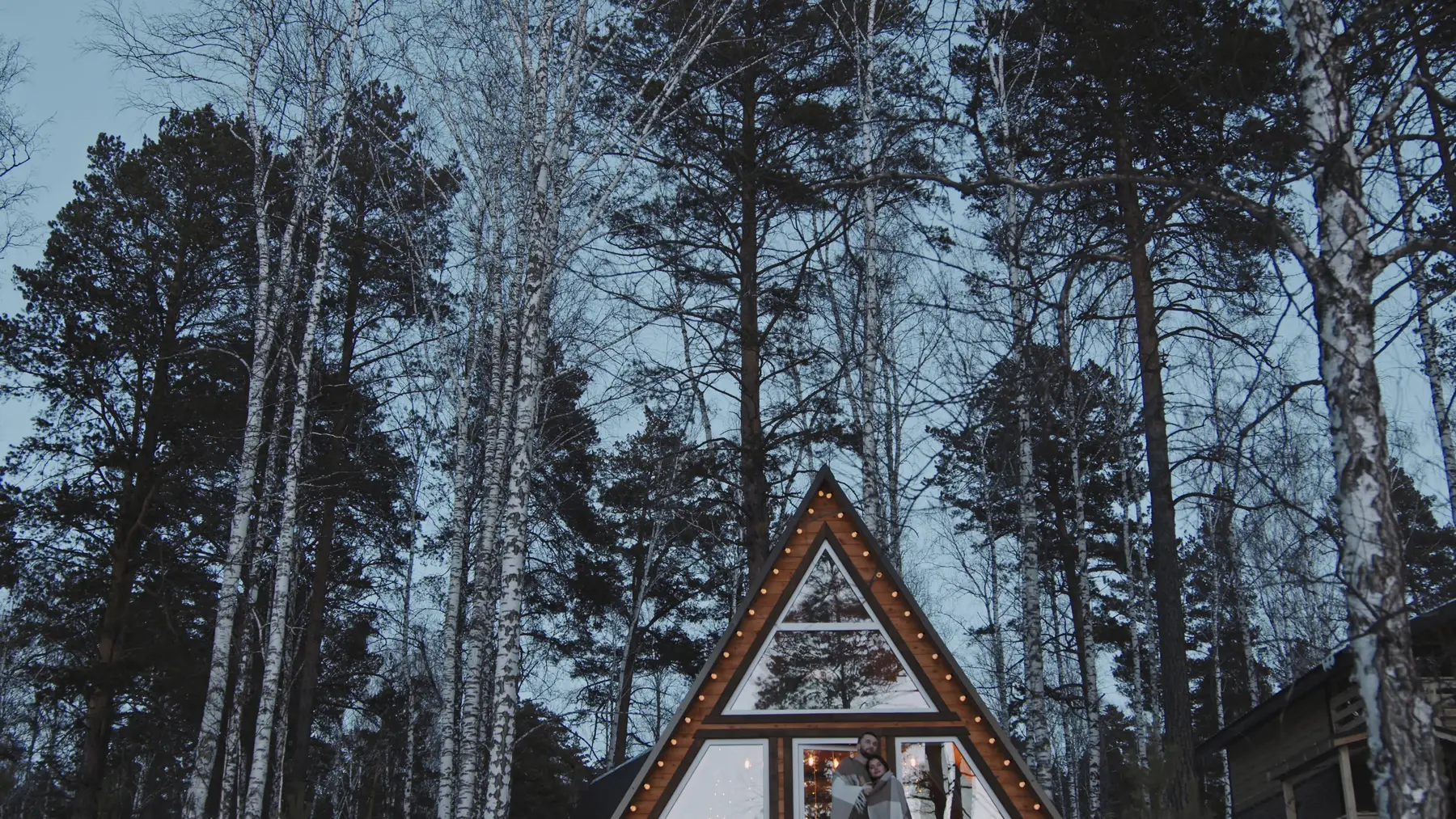
Front of the house
Submitted Oct 14, 2026, 3:41 PM
Metal roof in good condition. Firewood stacked along the left wall and wood mulch in the front bed, both within 5 feet of the structure.
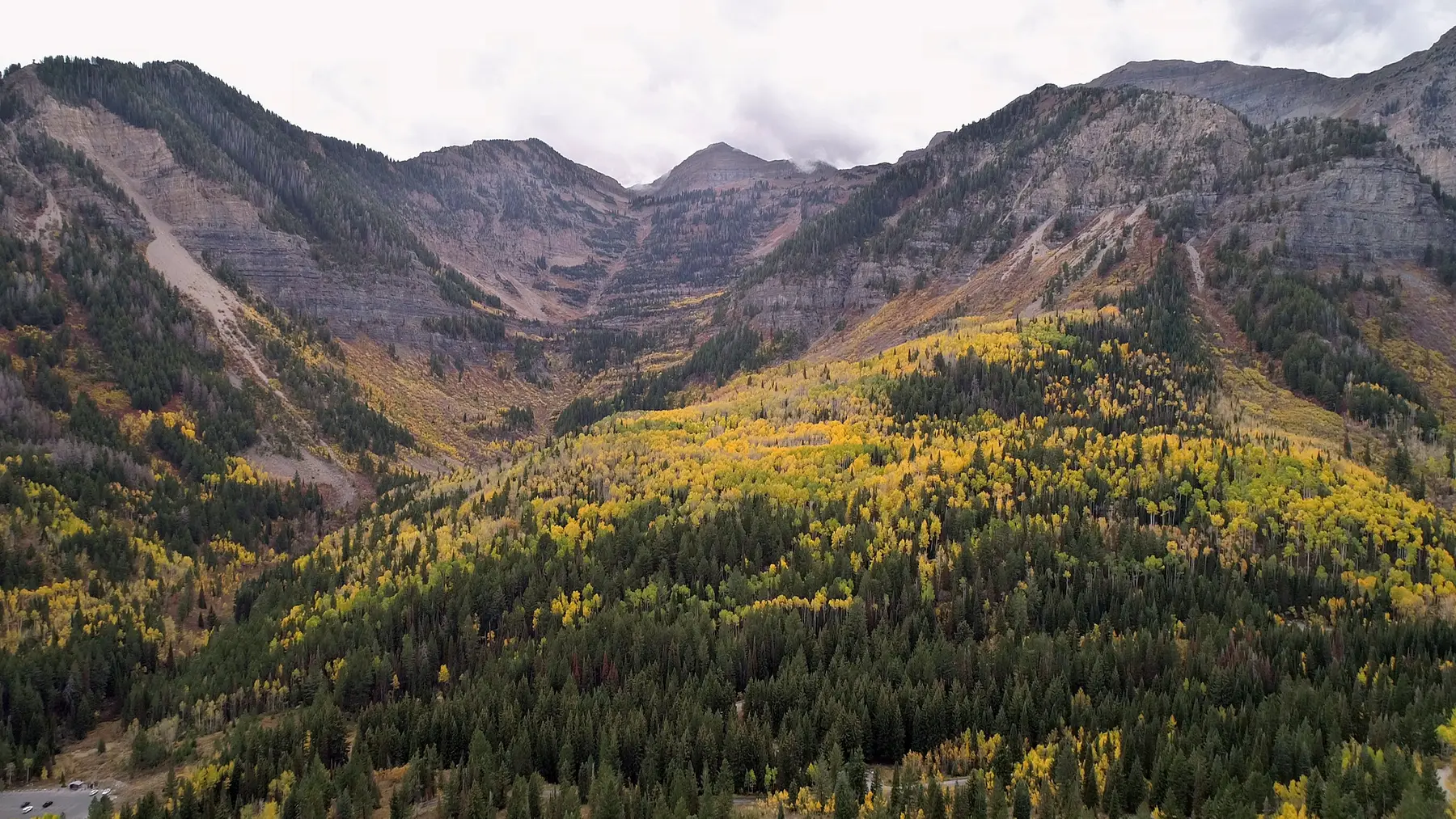
The 5 feet next to the walls
Submitted Oct 14, 2026, 3:44 PM
Aspen and shrubs grow within 3 feet of the deck; a layer of dry leaves and needles is visible under the deck boards.
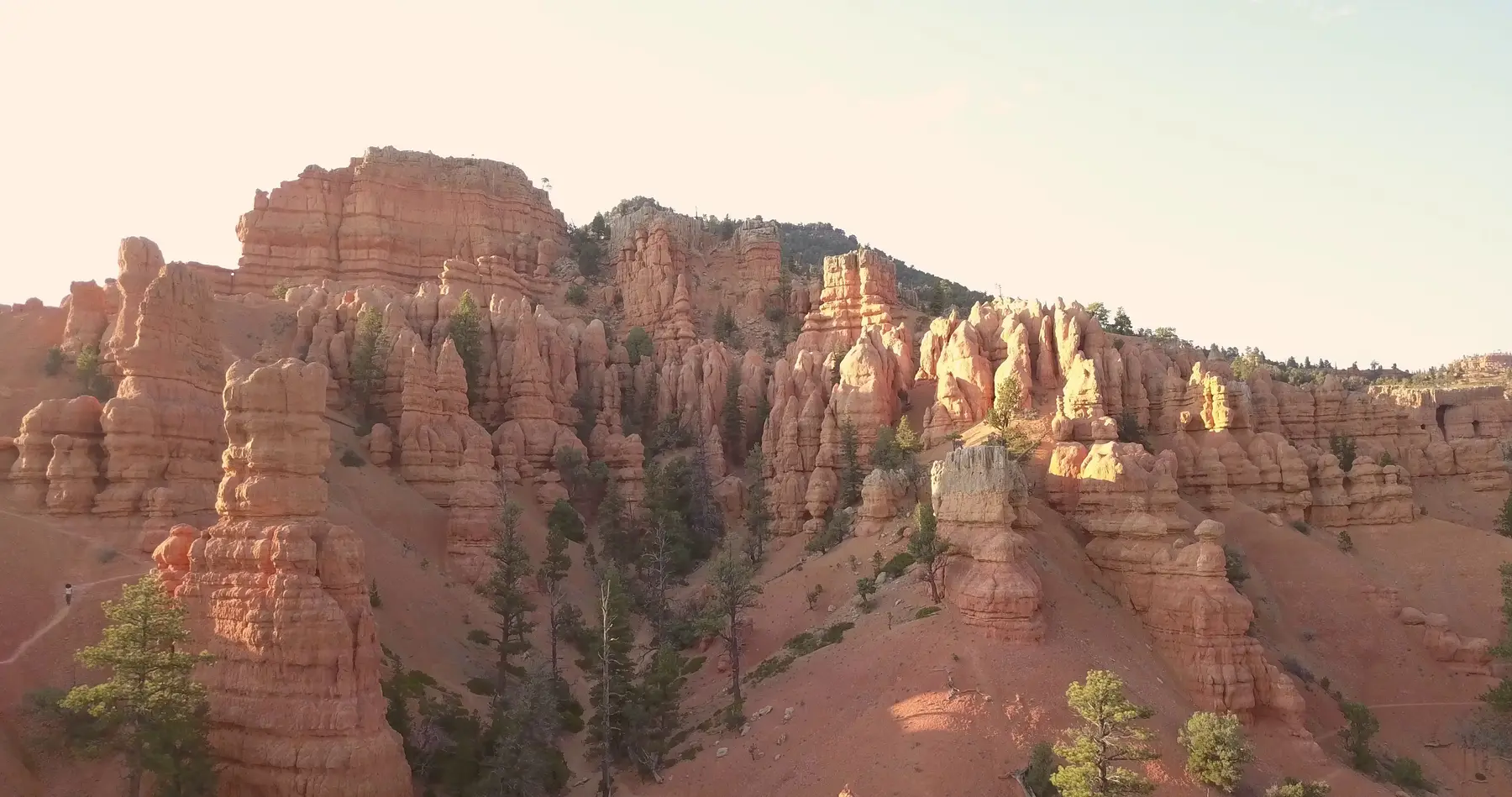
Yard, 5 to 30 feet out
Submitted Oct 14, 2026, 3:52 PM
Mature pines 15–25 feet from the cabin with lower branches reaching close to the ground.
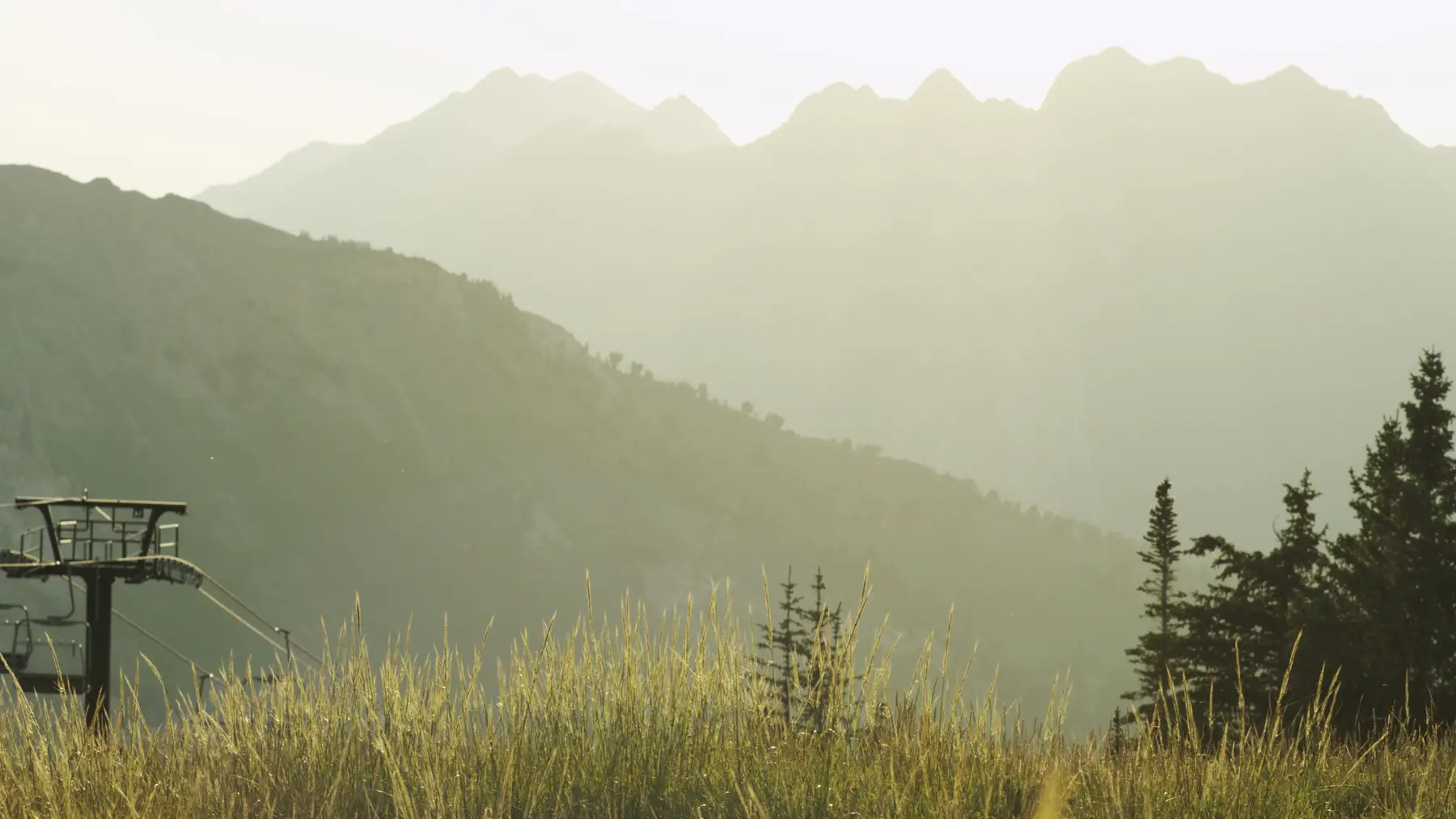
30 to 100 feet out
Submitted Oct 14, 2026, 3:58 PM
Mixed conifer stand with some dead standing trees and downed limbs; spacing between crowns is tight in places.
Or start with the free Quick Check.